
Unveiling the Threads of Energy Exchange
In the realm of human interactions, the concept of control dramas holds a profound significance, as expounded in James Redfield's book "The Celestine Prophecy: An Adventure"
The book is a 1993 novel by James Redfield This captivating piece of literature, dating back to the early nineties, introduces us to a realm where spirituality intertwines with psychology, offering a fresh perspective on the dynamics of our relationships.
The Foundations of 'Control Dramas'
The term 'control dramas' emerges from the intricate web of conditions outlined in the book. It signifies the act of controlling another person's energy or mood through the imposition of imaginary conditions. These conditions act as barriers within the social matrix, shaping the normative behaviors that govern our lives. They give rise to destructive fears, habits, and various addictions that distance us from our inner authority.
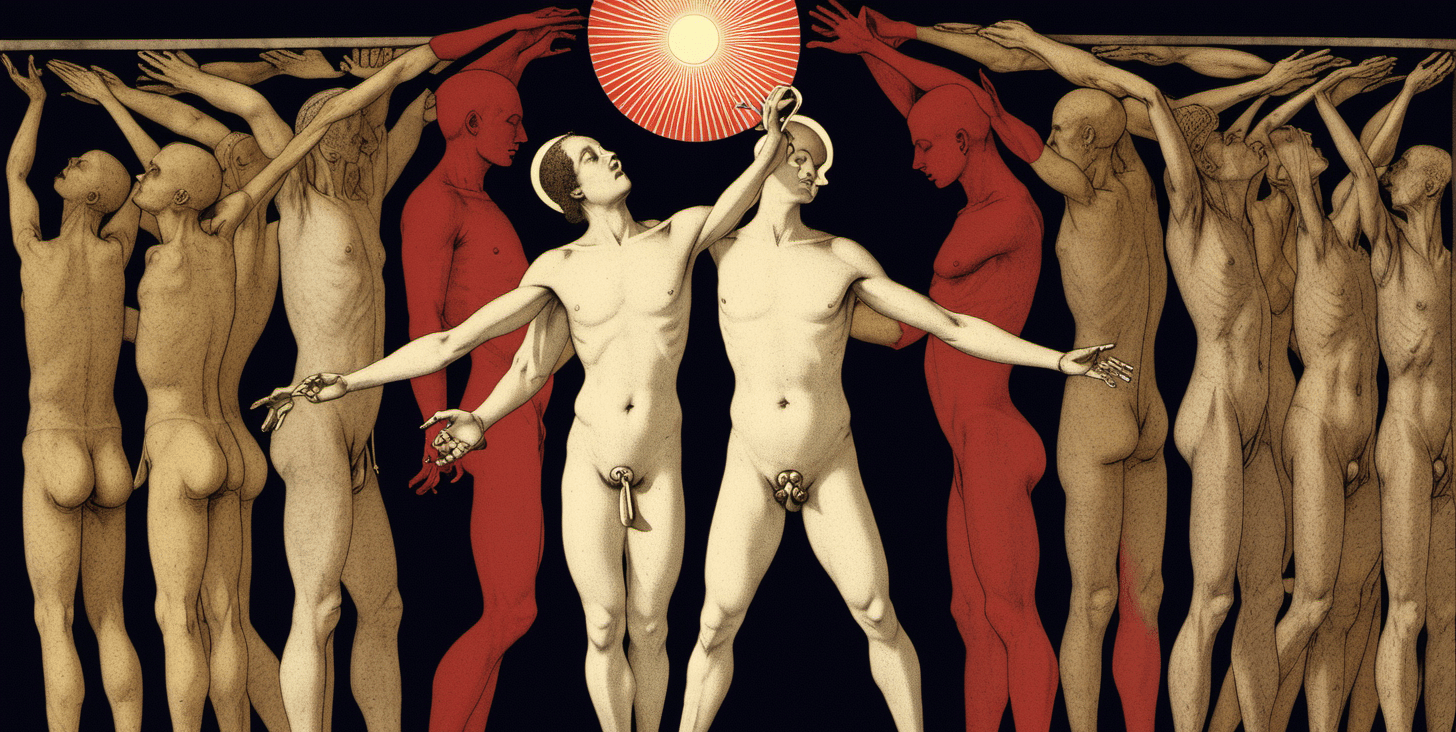
Understanding these barriers becomes the key to liberation, allowing us to break free from societal pressures and negative conditionings. The crux lies in identifying and unraveling the control dramas that influence us, enabling us to reclaim authority over our own lives.
Dialectics Between Bodies: The Energy Exchange
To comprehend the intricacies of 'control dramas,' we must delve into the concept of dialectics between bodies. These exchanges of energy between individuals serve as a platform for personal growth and self-discovery. Every conflict between people, as revealed by Redfield, is an expression of an energy struggle. While 'control dramas' manifest as negative expressions of these exchanges, dialectics between bodies present actionable dynamics.
Identifying Control Dramas: Insights from Previous Chapters
To unravel the intricacies of 'control dramas,' let's revisit three critical insights from previous chapters:
Living in the Matrix: We exist within a system, both personal and social, carefully planned and understood.
Human Design: Our bodies are inherently equipped to face life's challenges effortlessly.
Internal Authority: Understanding and embracing our internal authority is pivotal for a vibrant life, often referred to as 'life energy.'
The pressing question arises: How and when did we relinquish our authority, and how can we reclaim it from the clutches of the dramas that entwine our lives?
The Four Archetypes of 'Control Dramas'
In the intricate tapestry of human interactions, four main 'control dramas' emerge, each with its distinct characteristics. They can be categorized as passive and active, offering unique insights into the dynamics of energy extraction:
The Threatening: An aggressive individual who imposes their wishes on others through acts of violence.
The Interrogator: A person who elicits unpleasant feelings through incessant and often irrelevant questioning.
The Distant: An individual who garners attention through apathy and emotional distance, even when the situation is of personal concern.
The Poor: A person who externalizes blame onto the world, fostering a sense of guilt in others.
An example of a control drama
A situation where one person consistently manipulates another to do their bidding through emotional blackmail or guilt-tripping. For instance:
Let's say Person A always wants Person B to do things for them, even if it inconveniences Person B. Person A might employ tactics like making Person B feel guilty for not helping, using emotional outbursts to coerce compliance, or threatening to withdraw affection or support if Person B doesn't comply with their wishes.
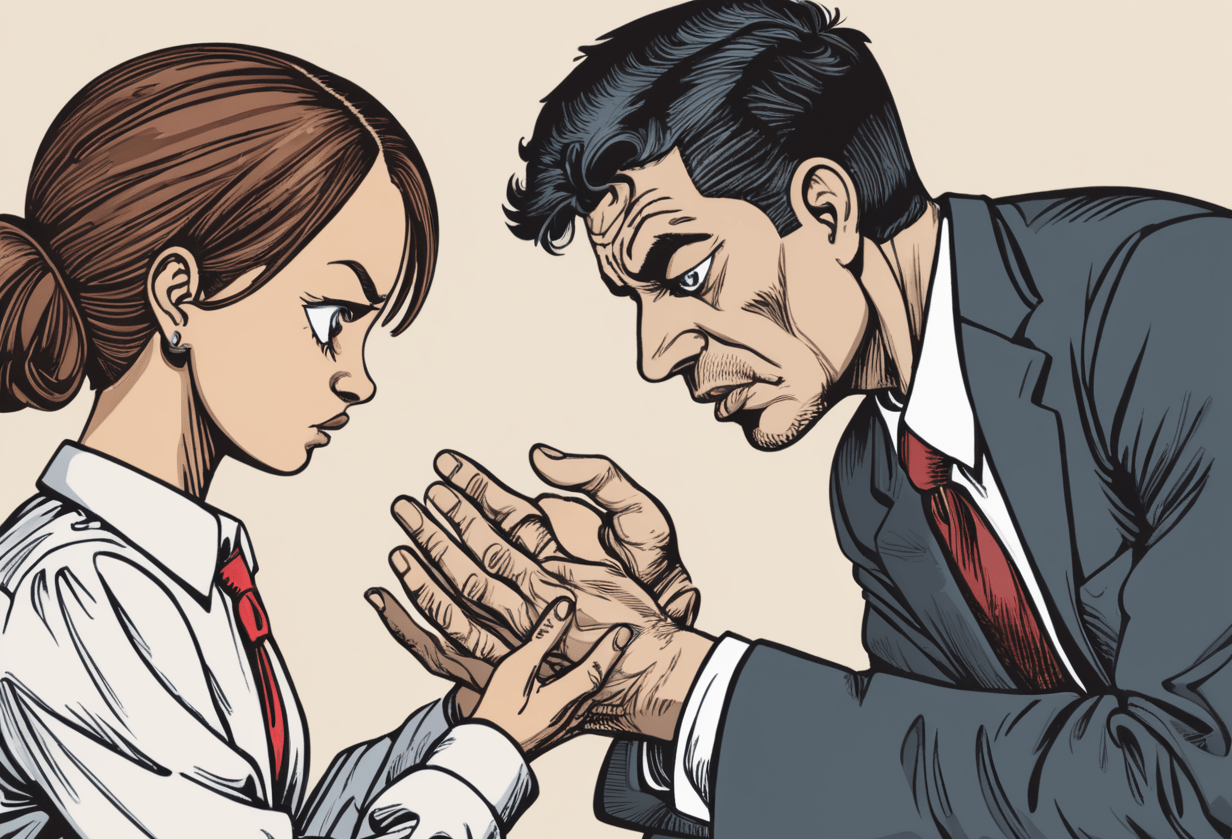
In this scenario, Person A exerts control over Person B's actions and emotions by leveraging guilt, emotional manipulation, or threats. This control drama creates a dynamic where Person B feels obligated to comply with Person A's demands to avoid conflict or maintain the relationship, even if it's detrimental to their own well-being or boundaries.
Interwoven Dramas: Understanding Complexity
Beyond the primary archetypes, various sub-dramas weave between individuals in different situations, resulting in a myriad of nuanced interactions. It's common for individuals to develop a primary 'control drama' as a coping mechanism for extreme situations or interactions with specific people.
For instance, a Threatening/Interrogator may be an aggressive individual asserting their wishes with violence while causing discomfort through incessant questioning. Similarly, a Distant/Poor individual may display apathy and distance while externalizing blame, creating a unique blend of control dynamics.
Breaking the Cycle: Unveiling Generational Dramas
The perpetuation of these dramas through generations stems from the way individuals learn and internalize them. As we navigate life, we often forget the innate strength within us, succumbing to actions fueled by fear and survival instincts. The norm becomes exploitation, a constant drain of "living energies" from others to establish control and accumulate power.
In essence, the key lies in breaking free from this cycle, remembering our natural strength, and acting out of empowerment rather than fear.

 Back to authority